Just days before Christmas, a tragedy struck that forever altered a community’s sense of safety and joy. Jaleeyah Tune, a 13-year-old girl described by those who knew her as kind, gentle, and full of quiet strength, lost her life suddenly, leaving family, friends, and neighbors grappling with profound grief and disbelief.
What should have been a season of warmth, celebration, and togetherness instead became a time marked by mourning. News of Jaleeyah’s death spread quickly, sending shockwaves through the community and prompting an outpouring of sorrow that reflected how deeply her young life had touched others.
Friends remembered Jaleeyah as someone who radiated warmth and positivity. Though she had faced health challenges earlier in her life, she met each day with resilience and courage beyond her years. Those close to her spoke of her empathy for others, her gentle nature, and her ability to bring comfort simply by being present.
Neighbors recalled a thoughtful girl who often looked out for others, offering help or a kind word whenever she could. In a world where children are meant to grow, learn, and dream without fear, her sudden passing underscored the fragility of life and the painful unpredictability of circumstances beyond anyone’s control.
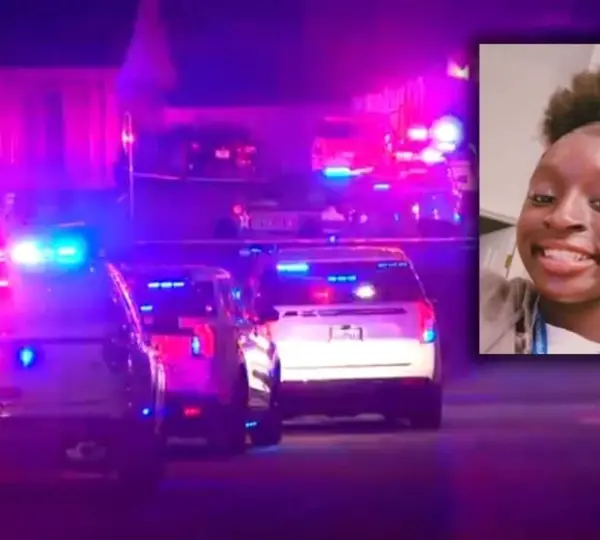
Local law enforcement moved swiftly following the tragedy, launching an intensive investigation to understand the events that led to Jaleeyah’s death. Authorities emphasized the seriousness of the loss and confirmed that arrests were made as the investigation progressed. Police officials also reassured the public that community safety remained a top priority, acknowledging that no family should ever endure such heartbreak—especially during a time traditionally reserved for gratitude and unity.
As details emerged, the emotional impact on the community became immediately visible. Schools, churches, and youth organizations organized candlelight vigils and memorial gatherings, providing spaces where people could grieve together. Candles flickered in silence as friends and strangers alike came to pay their respects, sharing prayers, tears, and quiet moments of reflection.
Social media quickly filled with messages of love, remembrance, and support for Jaleeyah’s family. Photos, tributes, and heartfelt words poured in, not only from those who knew her personally but also from individuals moved by her story. The collective response revealed a shared determination to honor her life for the kindness she showed, rather than focusing solely on the tragedy of her death.
Beyond the immediate grief, Jaleeyah’s passing resonated with broader concerns about child safety and violence. Her death became part of a larger conversation affecting communities everywhere—about how ordinary moments can be disrupted by irreversible loss, and about the responsibility shared by families, institutions, and society to protect young lives.
In response, community members mobilized to support Jaleeyah’s family in tangible ways. Fundraisers were organized to assist with funeral and memorial expenses, while local organizations established support networks to provide emotional and practical help. Teachers, counselors, and school administrators worked closely with students to help them process grief, offering counseling sessions and encouraging open conversations about loss, fear, and healing.
Mental health professionals emphasized the importance of collective grieving. Rituals such as vigils and memorials were described as vital tools for processing trauma, helping individuals feel less isolated in their pain. These shared acts of remembrance fostered solidarity and reinforced the idea that healing, while deeply personal, is often strengthened through community connection.
The timing of Jaleeyah’s death—so close to Christmas—deepened the emotional weight for her family and loved ones. Decorations, traditions, and holiday gatherings carried a bittersweet heaviness, blending cherished memories with a painful absence. Yet, amid sorrow, many chose to honor the spirit of the season through acts of compassion, generosity, and remembrance.
Community leaders have since called for renewed attention to child protection, awareness, and prevention. While no policy can undo the pain of loss, these discussions reflect a collective resolve to create safer environments and ensure that tragedies like this are not repeated.
Though her life was tragically short, Jaleeyah Tune’s legacy endures. She is remembered not only in grief, but in the acts of kindness, unity, and compassion inspired by her memory. Each candle lit, each story shared, and each effort made in her name serves as a testament to the impact one young life can have on an entire community.
In mourning together, the community continues to find strength—holding onto the belief that love, empathy, and collective action can endure even in the face of unimaginable loss.