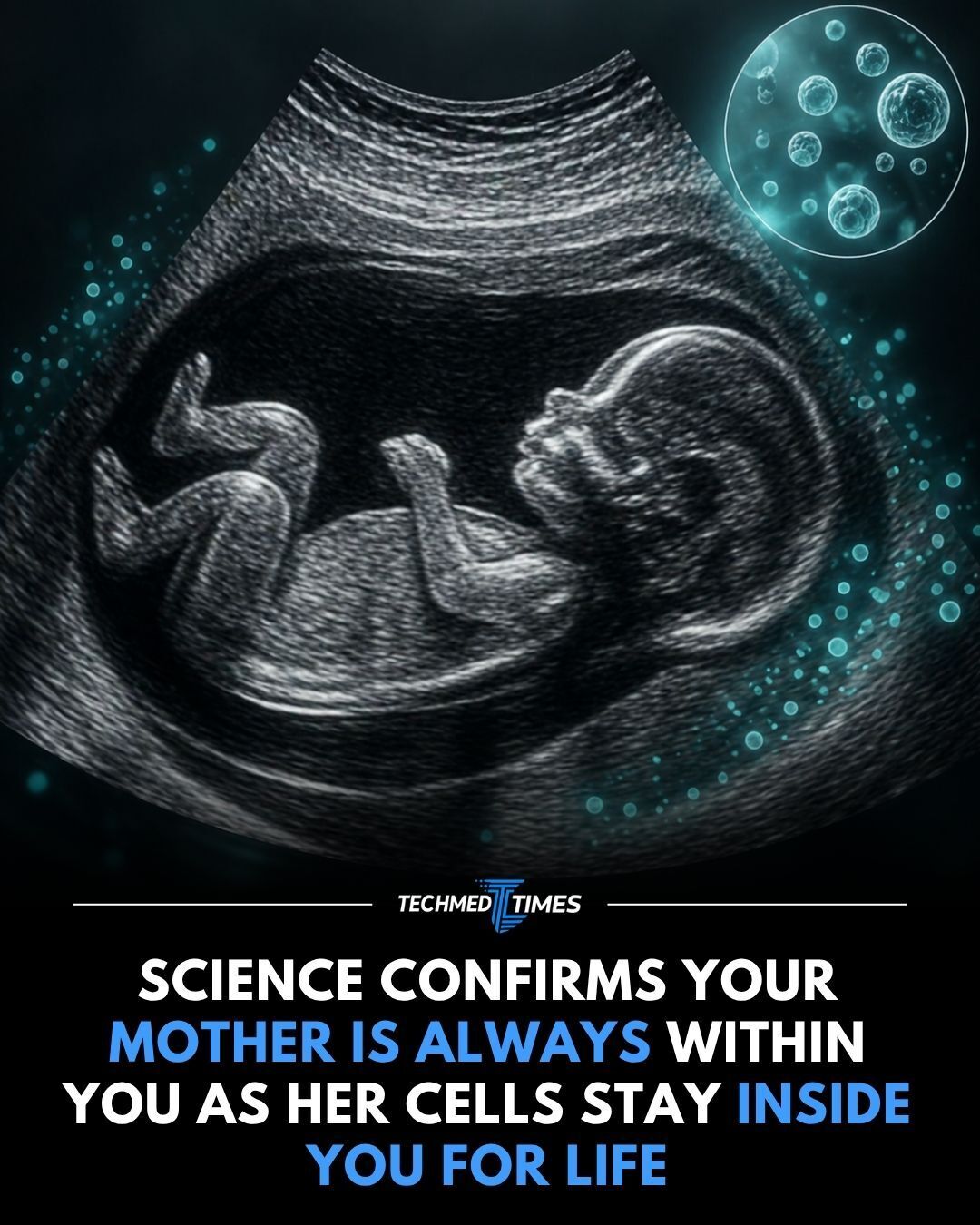
During pregnancy, a small number of cells pass between mother and baby. Some of the mother’s cells can stay in the child’s body for years, even for life. This process is known as Microchimerism, and it has been studied by researchers for decades.
These cells do not just exist quietly. Some studies suggest they may play roles in healing, immune support, or tissue repair. Scientists have even found maternal cells in organs like the brain, heart, and skin. While research is still ongoing, this discovery changes how we understand the bond between a mother and child on a biological level.
At the same time, it is important to keep things clear. These cells do not control your thoughts, decisions, or personality. They are simply a natural part of how human biology works. Still, the idea that a small part of your mother stays with you can feel deeply meaningful.
In everyday life, we often think of connection in emotional or psychological ways. But this shows that the connection can also be physical, built into the body itself. It is a quiet reminder that relationships can exist on levels we do not always see.
Sometimes, science explains feelings we already have. The sense of never being completely alone may have more truth to it than we once believed.