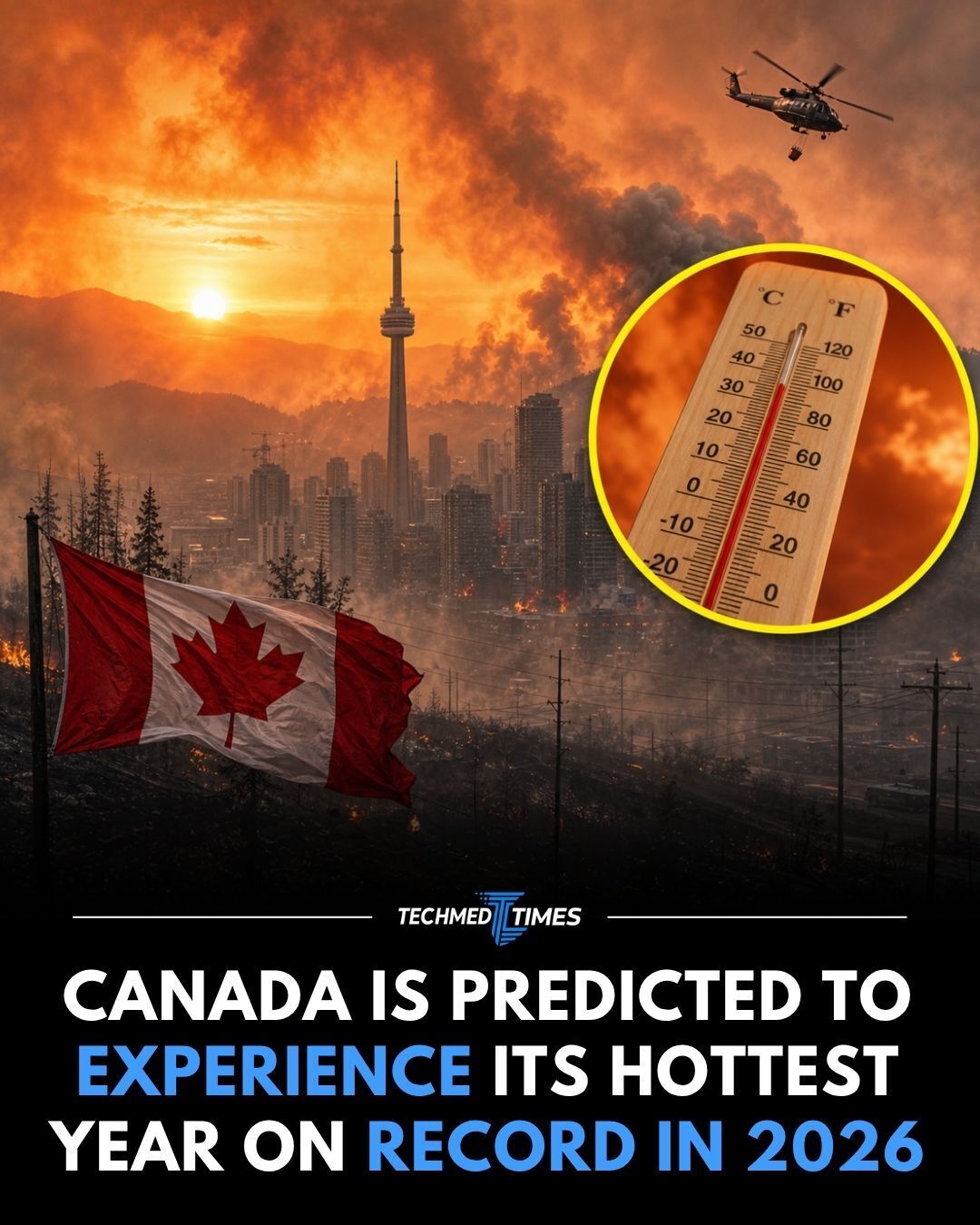
Weather patterns around the world are changing at a pace that is beginning to surprise even climate scientists. One of the most striking warnings is that Canada could experience its hottest year ever recorded in 2026, highlighting how rapidly global temperatures are rising and how deeply climate change is reshaping everyday life.
In recent years, extreme weather events have become increasingly frequent and intense. Heatwaves are lasting longer, wildfires are spreading more aggressively, and seasonal patterns are becoming less predictable. Scientists explain that these shifts are strongly connected to global warming, driven by the continuous increase of greenhouse gases in the atmosphere. These gases trap heat, gradually raising the Earth’s overall temperature and affecting weather systems across all continents.
For a country like Canada, which is traditionally known for its cold climate and long winters, rising temperatures bring significant challenges. Warmer conditions can increase the risk and severity of forest fires, threatening forests, wildlife, and communities. Changes in temperature also disrupt natural habitats, forcing animals to adapt or migrate. In agriculture, shifting weather patterns can affect growing seasons and crop productivity, creating uncertainty for farmers and food systems.
Urban areas are not immune either. Cities may experience higher energy consumption due to increased demand for air conditioning during longer and more intense summers. This can place additional pressure on infrastructure, power grids, and public services.
However, the impact of these changes goes beyond statistics or scientific projections. They are already being felt in everyday life. Many people are noticing longer summers, milder winters, and unpredictable seasonal transitions. These gradual shifts influence how communities plan their homes, industries, and future development.
The possibility of record-breaking temperatures in 2026 serves as a powerful reminder that climate change is no longer a distant issue. It is a present reality shaping ecosystems, economies, and daily experiences across the globe, urging greater awareness and action.