
Hidden beneath the soil of a quiet village in North Macedonia lies one of the Balkans’ most intriguing archaeological mysteries. Decades ago, construction workers working on a road near Kumanovo uncovered something they could hardly have expected: human bodies that had remained remarkably preserved underground for an unknown number of centuries.
The discovery became known as the Lipkovo Mummies, named after the village of Lipkovo in the Kumanovo region.
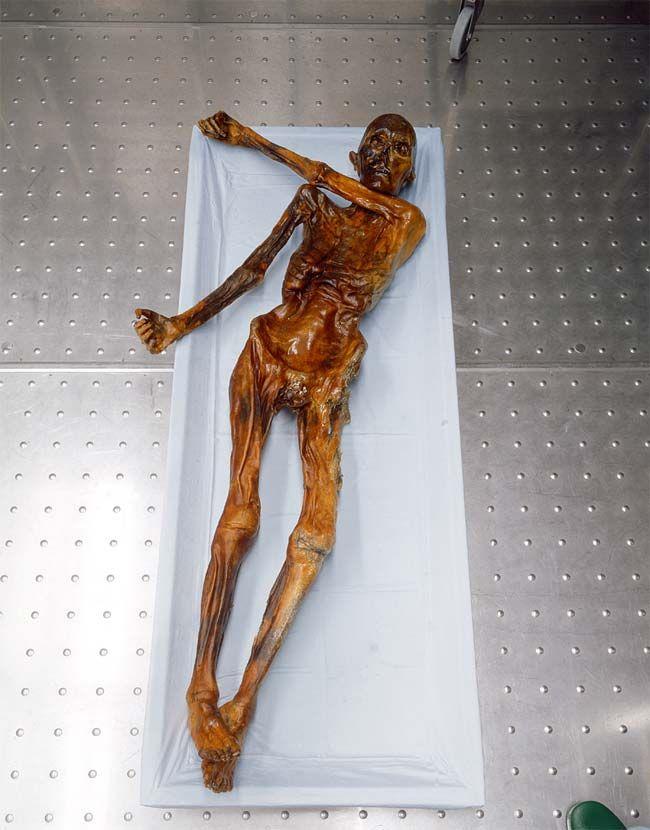
Unlike the famous mummies of ancient Egypt, these human remains were not deliberately embalmed using complicated preservation techniques. Instead, unusual underground conditions appear to have protected parts of the bodies, clothing and wooden coffins from ordinary decomposition.
The discoveries attracted archaeologists, historians and forensic specialists. Yet, more than six decades after the first graves were reported, fundamental questions remain unanswered.
How old are the Lipkovo mummies? Who were the people buried there? Why were their bodies preserved so unusually well? And what happened to the additional remains reportedly recovered during later excavations?
The answers reveal a fascinating story of archaeology, scientific disagreement and a historical site that has never received the attention it deserves.
Where Were the Lipkovo Mummies Discovered?
Lipkovo is a village and municipality in northern North Macedonia, situated near the city of Kumanovo and not far from the country’s borders with Kosovo and Serbia.
The region has a long history of human settlement. Archaeological discoveries around Kumanovo reveal evidence of communities dating from prehistoric times through antiquity and the medieval period.
The mummy discoveries are associated with a locality known as Kisela Voda, meaning “Sour Water” or “Acidic Water.” In Albanian, the site is called Uji i Thartë.
The name reflects the area’s mineral-rich water, an environmental feature that may have played an important role in preserving the human remains.
Historical archaeological descriptions place the burial site near the village of Lipkovo, although published accounts differ on its exact position relative to the village.
Before its archaeological significance became widely known, the area was ordinary rural land crossed by roads and used for agricultural and other local activities.
That changed in 1957.
The Unexpected Discovery in 1957
The earliest documented discovery occurred during road construction between Kumanovo and Lipkovo.
According to a report published by archaeologist Ivan Mikulčić in 1963, workers encountered three graves containing human remains inside large wooden containers made from hollowed tree trunks.
What made the discovery extraordinary was the apparent condition of the bodies.
Instead of finding only skeletal remains, the workers encountered human bodies that had undergone an unusual degree of natural preservation.
The original archaeological report records the discovery but does not provide a complete scientific examination of those first three individuals.
Later accounts describe considerable confusion among the workers and local residents. Some stories suggest that the remains were covered with lime and returned to the ground.
However, these details largely originate from later recollections rather than a comprehensive contemporary excavation record.
The three original burials were not systematically documented at the time. As a result, important archaeological information may have been lost.
Nevertheless, reports of the unusual discovery eventually reached archaeological specialists and prompted a scientific investigation.
The 1963 Excavation: A Remarkably Preserved Man
In June 1963, archaeologists returned to Kisela Voda to investigate the earlier discoveries.
The expedition, led by Ivan Mikulčić, was relatively brief, but it produced one of the most important archaeological records associated with the Lipkovo mummies.
Researchers identified locations connected with the earlier graves and uncovered additional archaeological structures.
Most significantly, they examined another burial containing the remains of a man inside a wooden coffin made from thick oak planks.
His body was not perfectly preserved, but enough survived to provide an extraordinary description.
According to Mikulčić’s published report, the man had long hair, a thick beard and a mustache. He was described as having a relatively large physical build.
Traces of his original clothing were also visible.
The archaeologist recorded a blue shirt made from relatively fine material, a coarse red outer garment and light-colored trousers.
These details are particularly valuable because ancient clothing rarely survives in ordinary burial environments.
When textiles disappear, archaeologists often have to reconstruct past clothing traditions from artwork, metal accessories or indirect evidence.
At Lipkovo, actual remnants of garments provided a rare glimpse into how one person had been dressed for burial.
But the clothing was not the only remarkable feature.
Strange Objects Found Around the Body
The 1963 archaeological report describes several objects and arrangements that suggest the burial involved more than simply placing a body inside a coffin.
Around the man’s head, archaeologists recorded 15 pieces of flint arranged in a circle.
A lock of horse mane was reportedly found above the head, along with material that the investigator tentatively identified as possible female hair.
The body lay on its back, with the hands positioned near the left hip.
Evidence of burning was identified above the coffin, together with pottery fragments and other archaeological material.
These details raise important questions about ancient funeral customs.
Was the flint arrangement symbolic? Did the horsehair represent an aspect of the person’s life, occupation or beliefs? Were the burning traces connected to a funeral ceremony?
Archaeologists cannot answer these questions with certainty.
However, the unusual burial arrangement suggests that the people who conducted the funeral followed practices whose original meaning has not yet been fully understood.
It is also essential to distinguish archaeological interpretation from established fact.
The objects themselves were documented, but their symbolic meaning remains uncertain.
How Did the Bodies Survive Underground?
One of the most fascinating aspects of the Lipkovo discoveries is the natural preservation of human tissue.
Under normal conditions, the human body gradually decomposes after death through a combination of biological, chemical and environmental processes.
Microorganisms, insects, moisture, oxygen and temperature all influence the speed of decomposition.
In exceptional circumstances, however, the burial environment can slow or interrupt some of these processes.
The Lipkovo graves were located in waterlogged, mineral-rich soil containing a relatively impermeable layer of gray clay.
Mikulčić believed that this unusual underground environment explained the preservation of the bodies and other organic materials.
The clay could have limited water movement, while the chemical characteristics of the mineral-rich groundwater may have influenced microbial activity.
Low-oxygen conditions are also capable of slowing certain forms of biological decomposition.
Similar preservation phenomena are known from other archaeological environments, including waterlogged burial sites in northern Europe.
However, that comparison does not mean the Lipkovo graves formed through exactly the same processes as European peat-bog burials.
A detailed chemical examination of the soil, groundwater and preserved tissues would be necessary to establish the precise mechanism.
The most important distinction is that there is no established evidence that the Lipkovo bodies underwent the sophisticated artificial embalming procedures associated with ancient Egypt.
Their preservation appears to have been primarily environmental.
That makes them especially interesting to scientists studying how different burial conditions affect the survival of human remains.
Were the Lipkovo Mummies Really 2,500 Years Old?
The age of the Lipkovo mummies is among the most disputed aspects of the discovery.
Many popular accounts describe them as approximately 2,500 years old, placing them somewhere in the centuries before the beginning of the Common Era.
This interpretation is associated with the original archaeological investigations.
Mikulčić considered the pottery discovered around the site and certain aspects of the burial customs consistent with a late pre-Roman period.
He also suggested a possible connection to the ancient Dardanian cultural environment.
Yet the story did not end with his interpretation.
In 1965, another archaeological expedition investigated the same locality and reached a significantly different conclusion.
The team, associated with the Archaeological Institute in Belgrade, examined the graves and their archaeological surroundings.
Its published report suggested that the burials belonged to the Early Middle Ages, rather than the final centuries before the Common Era.
This disagreement has never been fully resolved in the publicly available material reviewed for this article.
It is important to understand that archaeological dating can depend on several different forms of evidence.
Pottery recovered near a grave may belong to an earlier settlement and may not necessarily have been deposited at the same time as the burial.
Similarly, particular burial practices can sometimes continue across multiple historical periods.
The most useful modern approach would include direct radiocarbon dating of suitable biological samples, combined with careful analysis of the archaeological context.
Until reliable results become available, claims that all the Lipkovo mummies are exactly 2,500 years old should be treated cautiously.
Their precise age remains an important open question.
The 1965 Excavations Revealed More Preserved Bodies
Between July 15 and July 23, 1965, archaeologists from Belgrade conducted further investigations at Kisela Voda.
The expedition was intended not only to examine the graves but also to study the soil conditions that had contributed to the extraordinary preservation.
Several excavation trenches were opened.
The researchers revisited previously investigated burial locations and identified three graves containing preserved human remains and textile material.
According to their published report, the graves featured different types of wooden coffin construction.
The surviving textiles were especially important archaeological evidence.
A silver ring was also documented among the recovered material.
These discoveries reinforced the understanding that Lipkovo was not simply the location of one isolated preserved body.
It was a burial area where exceptional preservation had occurred more than once.
Nevertheless, the exact total number of distinct bodies recovered across all expeditions should not be calculated by simply adding together every figure quoted in later reports.
Some accounts refer to previously investigated graves, and surviving records do not always make the relationship between discoveries entirely clear.
The 1965 excavation is also significant because it introduced the alternative medieval interpretation.
As a result, the Lipkovo site became important not only for its preserved human remains but also for the debate over the historical identity of the cemetery.
Were the Mummies Connected to the Ancient Dardanians?
The region surrounding Kumanovo formed part of a broader historical landscape associated with ancient Balkan populations, including the Dardanians.
The Dardanians were a significant population of the central Balkans before and during the period of Roman expansion.
Because of the cemetery’s proposed ancient dating and its geographical position, some researchers have interpreted the Lipkovo burials in a Dardanian context.
This possibility has attracted particular interest among historians and researchers studying the ancient heritage of the Kumanovo and Lipkovo region.
In a 2019 academic publication, researchers Sevdail Demiri and Bunjamin Xhemaili discussed the historical and cultural importance of the site and emphasized its potential connection to the area’s ancient heritage.
However, connecting an archaeological site to the historical territory of a population does not automatically prove the ethnic identity of every individual buried there.
The disagreement over the cemetery’s dating makes such conclusions even more complicated.
A combination of modern archaeological, biological and genetic research could provide additional information about the individuals.
Ancient DNA testing, where preservation and sample quality permit, might reveal biological relationships and population connections.
Stable-isotope analysis could potentially contribute information about diet or geographical mobility.
Neither technique, however, could by itself establish a person’s cultural identity in the modern sense.
For now, the Dardanian interpretation remains an important hypothesis rather than a universally established conclusion.
The Mystery of the Missing Lipkovo Mummies
One of the most frequently discussed questions concerns the fate of the additional human remains recovered during archaeological investigations.
Historical accounts published decades after the excavations suggest that several bodies were taken to Belgrade for examination.
Local researchers have repeatedly expressed concern about the absence of clear publicly accessible information regarding their eventual location.
The 2019 study by Demiri and Xhemaili also addresses the unresolved history of the discoveries.
However, claims about precisely what happened to the transferred remains should be treated carefully.
A complete chain of custody, including excavation records, transportation documents, museum inventory numbers and research files, would be needed to reconstruct their movements reliably.
Without such documentation, it would be irresponsible to claim that the bodies were deliberately concealed, stolen or destroyed.
What can be said is that the published history leaves significant unanswered questions.
The uncertain whereabouts of some of the remains demonstrate why archaeological collections require proper cataloging, preservation and institutional transparency.
They also show how important discoveries can become difficult to study when material is separated from its original excavation records.
What Happened to the Mummy Kept in Skopje?
Not every preserved body associated with Lipkovo disappeared from public documentation.
One of the most widely reported remains was kept at the Institute of Forensic Medicine and Criminalistics in Skopje.
A report published in August 2020 described the body of an older man stored inside a glass-covered display arrangement.
The article included comments from Professor Aleksandar Stankov, who emphasized the need for professional conservation and restoration.
At that time, the remains were reportedly in a deteriorated condition.
The report described damage to the jaw and arm, along with visible changes affecting the preserved skin and hair.
Earlier proposals had considered transferring the mummy into a suitable museum environment, where it could be conserved and potentially displayed under controlled conditions.
Those proposals had not been completed by the time of the 2020 reporting.
No sufficiently reliable, more recent public confirmation was identified for this article regarding the mummy’s precise condition or current display status as of October 2026.
This uncertainty highlights a broader conservation problem.
Archaeological human remains may survive for centuries underground under stable conditions but begin deteriorating after excavation if the new environment is not carefully controlled.
Temperature, humidity, biological contamination and handling practices can all affect fragile organic materials.
Professional conservation is therefore essential, not only to protect the body but also to preserve the scientific evidence it contains.
Archaeological Evidence of a Much Longer History
The Lipkovo locality is not significant solely because of its naturally preserved bodies.
Archaeological descriptions of Kisela Voda also mention material connected with Hellenistic, Roman and medieval activity.
Pottery fragments have been recorded in the surrounding landscape, while nearby remains suggest earlier settlement activity.
Published archaeological inventories also associate the wider locality with an inscription dedicated to Mithras, a deity whose worship spread across parts of the Roman world.
These discoveries illustrate the long and complex history of the surrounding area.
They do not necessarily mean that the mummies, the Roman-period materials and every nearby archaeological structure belong to the same historical period.
A locality can be occupied, abandoned and reused repeatedly over many centuries.
Understanding these different phases is one of the central challenges facing archaeologists.
Detailed mapping, stratigraphic excavation and scientific dating would help researchers distinguish the various periods represented at Kisela Voda.
Could Modern Technology Finally Solve the Mystery?
Archaeological science has advanced considerably since the original Lipkovo discoveries.
Today, researchers have access to methods that were either unavailable or far less developed in the 1960s.
Radiocarbon dating could help clarify the age of surviving organic material.
Computed tomography, commonly known as CT scanning, could allow specialists to examine preserved remains without necessarily dismantling or extensively disturbing them.
Advanced textile analysis could reveal information about the fibers, weaving techniques and clothing traditions represented in the graves.
Chemical testing could help determine how the local soil and groundwater influenced the preservation process.
Where scientifically appropriate and ethically approved, genetic analysis might provide additional information about biological ancestry and relationships.
These methods would be most effective when used together rather than separately.
A reliable investigation would also require archaeologists to reassess the original reports, clarify the number of individuals represented and establish which objects belong to which graves.
Any further excavation should be conducted by authorized specialists using modern archaeological recording standards.
The human remains themselves should be treated respectfully and preserved as part of the region’s cultural heritage.
Why the Lipkovo Mummies Matter Beyond North Macedonia
The importance of the Lipkovo discoveries extends beyond the question of how old the bodies are.
They offer a rare opportunity to study the relationship between burial customs, natural preservation and the historical communities of the central Balkans.
Their wooden coffins, surviving textiles and unusual grave arrangements provide evidence that is rarely available from ordinary archaeological cemeteries.
The site also raises questions about how archaeological discoveries were handled during the twentieth century and how their collections can be traced today.
If adequately researched and conserved, Lipkovo could become a valuable case study in environmental archaeology, forensic anthropology and the scientific study of naturally preserved human remains.
There is also potential for responsible cultural tourism.
A properly developed exhibition could explain the region’s ancient history, show how natural mummification works and present the competing archaeological interpretations.
Such an initiative would require scientific oversight, preservation planning and appropriate treatment of human remains.
Sensational presentation alone would not do justice to the discovery.
The real value of the Lipkovo mummies lies in the historical evidence they preserve and the questions they may still help answer.
Frequently Asked Questions About the Lipkovo Mummies
Are the Lipkovo mummies real?
Yes. The discoveries are documented in archaeological publications, including reports from 1963 and 1965. Researchers described preserved human remains, wooden coffins, textiles and associated archaeological material.
Where were the mummies discovered?
They were found at a locality called Kisela Voda, or Uji i Thartë, near the village of Lipkovo in the Kumanovo region of North Macedonia.
How old are the Lipkovo mummies?
Their exact age remains disputed. One archaeological interpretation places the graves in the centuries before the Common Era, while a later excavation report proposed an Early Medieval date.
Were the bodies artificially mummified?
The available archaeological evidence points primarily toward natural preservation caused by unusual underground conditions, rather than Egyptian-style artificial embalming.
Where are the mummies today?
A preserved body was reported at the Institute of Forensic Medicine and Criminalistics in Skopje in 2020. The whereabouts of some other remains described in historical accounts have not been clearly established through accessible public documentation.
Could more mummies still be buried near Lipkovo?
The historical discoveries suggest that the locality contained multiple graves, but determining whether additional preserved bodies remain would require professional archaeological investigation.
Conclusion: An Archaeological Mystery Still Waiting for Answers
The Lipkovo mummies remain one of the most unusual archaeological discoveries associated with the Kumanovo region.
What began as an unexpected find during road construction in 1957 developed into a series of investigations that revealed preserved human remains, clothing, wooden coffins and evidence of complex burial practices.
Yet the most fundamental questions remain open.
Researchers have not reached a universally accepted conclusion about the age of the burials. The identity of the individuals is uncertain, and the fate of some remains described in historical accounts has not been fully clarified.
Rather than diminishing the importance of the discovery, these uncertainties make the need for additional research even greater.
With modern scientific methods, careful conservation and cooperation between archaeological institutions, the Lipkovo site could reveal valuable new information about the history of North Macedonia and the wider Balkans.
The remarkable story of the Lipkovo mummies is real. The full history behind them, however, has yet to be uncovered.
Sources and Further Reading
- Ivan Mikulčić, Kisela Voda, Lipkovo, Arheološki pregled, No. 5, 1963, pp. 54–55. Original archaeological journal.
- L. Savić-Trbuhović, Kisela Voda, Lipkovo, Kumanovo, archaeological report on the 1965 excavations. Arheološki pregled.
- Sevdail Demiri and Bunjamin Xhemaili, Vlera kulmore nga trashëgimia materiale e trevës së Likovës e Kumanovës, Studime Albanologjike 19, Skopje, 2019. Academic publication.
- MK Vesti, Dali znaete kade e pronajdena edinstvenata mumija vo Makedonija?, August 31, 2020. Report on the mummy preserved in Skopje.
- Niels Lynnerup, Bog Bodies, The Anatomical Record, 2015. Scientific research on natural human preservation.
Be the first to comment