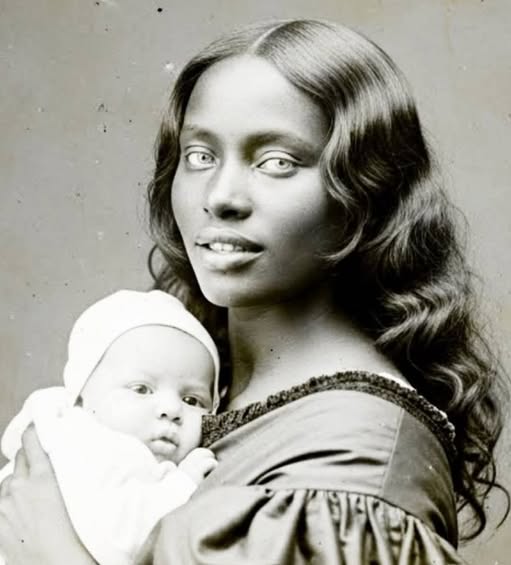
In the summer of 1855, a plantation ledger in rural Mississippi recorded a line that reads, in part:
“Mary — prime field hand — age 36 — mother of 22.”
There are no exclamation marks in the book.
No emotion.
Just numbers.
LEXO EDHE

A human being — Mary, known only by a first name assigned to her — had borne twenty-two children while enslaved.
In the same ledger, beside her name, the owner listed monetary valuations attached to each of her children — property entries, assigned to human lives.
The language used in surrounding correspondence is even more chilling. Mary is repeatedly described with a single word:
“Breeder.”
A term that erased her personhood, reduced motherhood to production, and turned the horror of reproductive coercion into a cold-blooded financial strategy.
LEXO EDHE

Our investigation follows Mary’s story — as far as records allow — and places it within the economic system that incentivized forced childbearing to expand slaveholders’ wealth.
This is not a story about romance, scandal, or notoriety.
It is a story about how a nation built fortunes on the bodies of enslaved women — and how one woman’s womb became an investment portfolio.