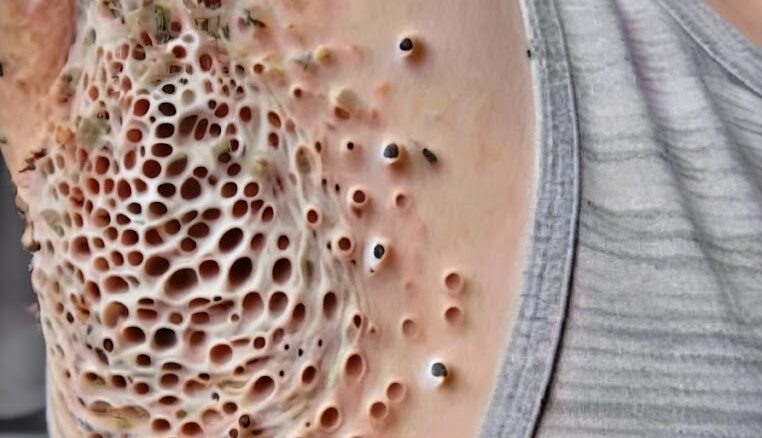
Finding a lump under your armpit can be worrying, but many underarm lumps are caused by common and treatable conditions. The armpit contains lymph nodes, hair follicles, sweat glands, fatty tissue, and skin, so swelling can develop for several different reasons.
An armpit lump may feel soft or firm, painful or painless. It may appear suddenly or grow gradually over time. Although most lumps are harmless, a persistent or unusual lump should be evaluated by a qualified healthcare professional.
Common Causes of an Armpit Lump
One of the most frequent causes is an enlarged lymph node. Lymph nodes are small structures that form part of the immune system. They may swell when the body is fighting an infection.
A cold, sore throat, viral illness, skin infection, or infection affecting the arm or breast area may cause temporary swelling under the arm. Infection-related lymph nodes are often tender or painful and may improve within one or two weeks as the illness clears.
LEXO EDHE

Skin irritation is another common explanation. Shaving, waxing, sweating, tight clothing, and some underarm products can irritate the delicate skin in this area. After shaving, a hair may curl back into the skin and create an ingrown hair. This can produce a small, red, sensitive bump that resembles a pimple.
Boils and cysts may also develop beneath the skin. A boil commonly begins when a hair follicle becomes infected, causing a warm, red, and painful swelling that may contain pus. A cyst is a closed pocket under the skin that may contain fluid or semisolid material. Some cysts remain small and painless, while others become inflamed.
Recurring and Painful Underarm Lumps
People who repeatedly develop deep, painful lumps in their armpits may have a condition called hidradenitis suppurativa.
This chronic inflammatory skin condition usually affects areas where the skin rubs together, such as the armpits and groin. The lumps may become inflamed, break open, drain fluid or pus, and eventually leave scars or tunnels beneath the skin.
LEXO EDHE

Hidradenitis suppurativa is not caused by poor hygiene and cannot be passed from one person to another. Recurring underarm boils should not be repeatedly squeezed or ignored. A doctor or dermatologist can recommend treatment depending on the severity of the condition.
Could an Armpit Lump Be Serious?
Less commonly, an underarm lump may be connected to a condition requiring further investigation. A slow-growing lump that is painless, hard, fixed in place, or increasing in size should be medically assessed.
Swollen lymph nodes can occasionally be associated with lymphoma or cancer that has spread from another part of the body. An armpit lump may also appear alongside breast changes such as a breast lump, skin dimpling, changes in breast shape, an inward-turning nipple, or unusual nipple discharge.
This does not mean that every painless lump is cancer. Most lumps are harmless, and many breast changes are caused by noncancerous conditions. However, self-diagnosis is unreliable. A healthcare professional may recommend an examination, ultrasound, blood test, mammogram, or biopsy depending on the symptoms.
Safe Care at Home
Do not squeeze, pierce, or attempt to drain an armpit lump yourself. Doing so may worsen irritation, introduce bacteria, or increase the risk of scarring.
For a small bump that appears after shaving, temporarily avoid shaving, waxing, and fragranced underarm products. Keep the area clean and dry, wear loose clothing, and reduce friction against the skin.
Pain-relieving medicines may help some people, but they should always be used according to the label. Some medicines are unsuitable for people with certain medical conditions. Antibiotics should only be taken when prescribed, because not every lump is caused by a bacterial infection.
When to Contact a Doctor
Arrange a medical appointment if the lump:
- lasts longer than approximately two weeks;
- becomes larger or increasingly painful;
- feels hard and does not move;
- returns repeatedly;
- appears without an obvious cause;
- is accompanied by breast changes.
Seek medical advice sooner if the area becomes very red or hot, produces pus, or is accompanied by fever. Unexplained weight loss, drenching night sweats, persistent fever, unusual tiredness, or swollen lymph nodes in several areas also require medical attention.
The Bottom Line
An armpit lump is often caused by a swollen lymph node, irritated hair follicle, cyst, boil, or inflammatory skin condition. Minor irritation may improve with gentle care, but persistent or unusual lumps should not be ignored.
Monitoring how long the lump lasts, whether it grows, and whether other symptoms appear can help a healthcare professional identify the cause and recommend appropriate treatment.
Medical disclaimer: This article is provided for general educational purposes only. It does not replace an examination, diagnosis, or treatment from a licensed healthcare professional.